Decoding Mechanical Parts: The Way These Parts Function Together
In the realm of engineering, understanding machine parts is essential for developing effective and reliable machinery. Such parts play a critical role in the overall performance of any machine, from simple devices to advanced industrial systems. The synergy between different machine parts, such as gears, shafts, and bearings, is what enables machines to operate efficiently and successfully, reinforcing the importance of knowing how they work together.
As sectors evolve and the need for precision rises, the requirement for custom machine parts has become more prominent. Precision machine parts are engineered to meet particular requirements, ensuring that they are perfectly suited into their designated roles while upholding high levels of durability and efficiency. Whether bespoke components tailored for specialized applications or high precision machine parts required for strict tolerances, understanding the manufacturing processes behind these components is crucial for any manufacturer aiming to deliver high-quality products.
Grasping Components of Machines
Parts of machines are the important building blocks that compose different mechanical systems, playing a significant role in the functionality and effectiveness of machines. Such components span from basic elements like fasteners and nuts to intricate assemblies such as gears and motors. The right selection and combination of these parts are essential for achieving high effectiveness and reliability in manufacturing applications, ensuring that machines operate smoothly and effectively under different conditions.
Custom machine parts are often necessary to fulfill specific needs in multiple industries. This entails high-precision machine parts designed with extreme accuracy and longevity, enabling for narrow tolerances that secure accurate fitting and operation within broader systems. By leveraging advanced manufacturing techniques, such as CNC fabrication and additive manufacturing, engineers can produce machined parts that serve unique requirements, enhancing overall system functionality and lifespan.
Understanding the different types of machine parts, including precision machined parts and those made from multiple metals such as aluminum and stainless steel, is important for picking the correct components for any task. Commercial machine parts are adapted to resist rigorous use, while original equipment manufacturer machine parts are designed to maintain conformity and performance with current equipment. In a competitive landscape, selecting a dependable machined component supplier can greatly impact the efficacy of machinery operations.
Types of Machine Parts
Machine parts can be categorized into multiple types based on their function and the substances used in its fabrication. One common classification is into mechanics parts, which are crucial for mechanic movement and connections. These consist of cogs, roller bearings, and axles that transfer power and movement inside a mechanism. The accuracy of these components is vital, as any variations can affect the total performance and dependability of the machinery.
Custom machine components cater to particular uses and frequently demand customized production processes. These parts are engineered to meet specific specifications, which can include dimensions, form, and material specifications. Sectors commonly rely on custom machined parts to achieve optimal performance and efficiency in the equipment, allowing for customized answers that standard parts cannot provide.
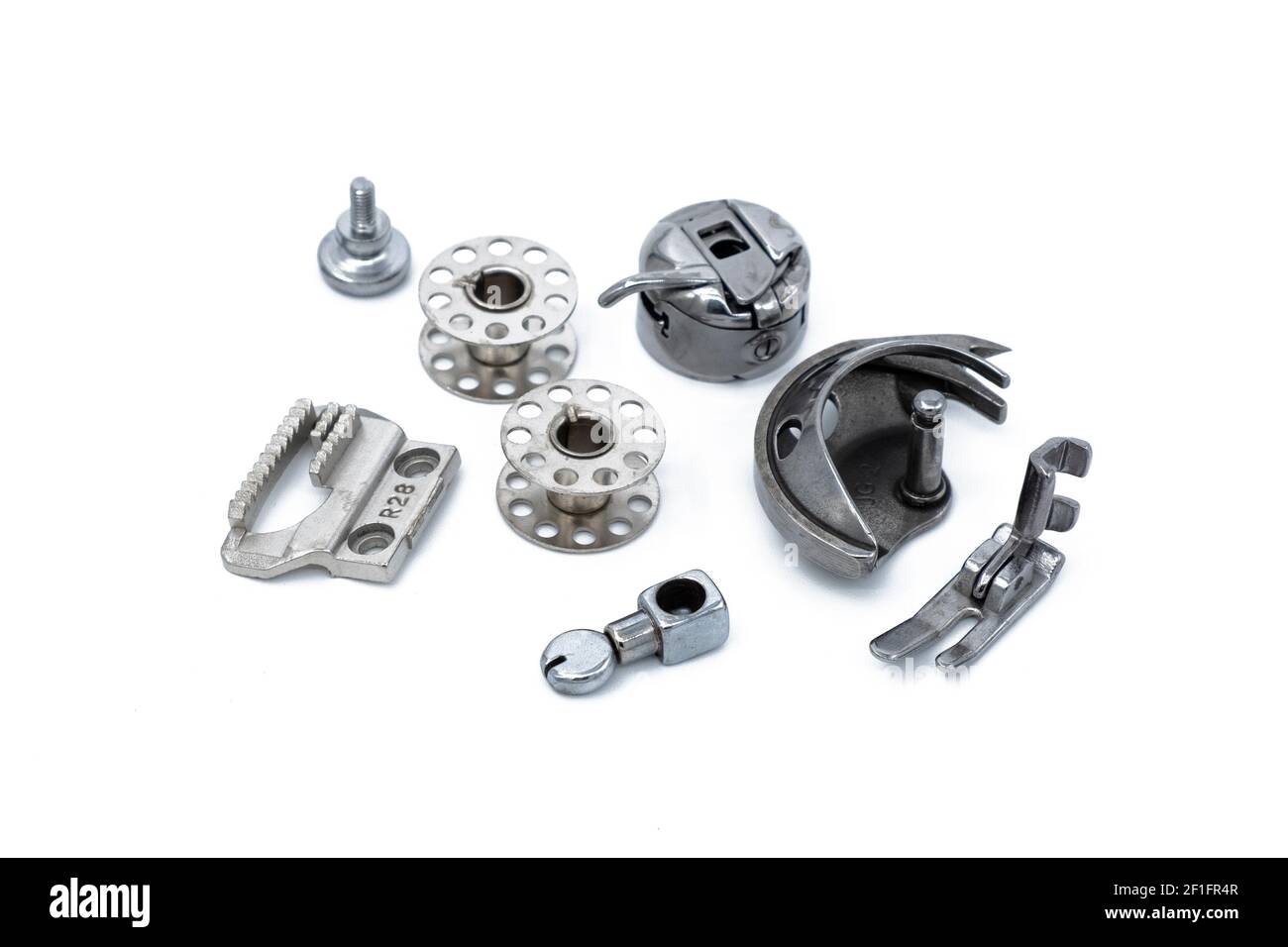
Another essential category is precision machine components, which are manufactured with exceptional precision and minimal tolerances. These high precision machined parts are vital in sectors such as aviation and healthcare, where even the smallest variation can result in failure. Whether it is aluminium machine parts or stainless machined components, precision manufacturing ensures that each part meets exacting standards for excellence and performance, thereby enhancing the functionality of the end item.
Production and Logistics
The manufacturing of machine parts involves a complex interplay of technology, materials, and procedures that ensure premium outputs. Bespoke machined components can be produced using a variety of techniques such as CNC machining, molding, and additive manufacturing. Accurate machined components require rigorous compliance to design specifications, where each detail is crucial for the overall function of the assembled machinery. With advancements in techniques, manufacturers are now able to achieve greater precision and produce intricate machined components that meet the demands of various sectors.
An efficient supply chain is critical for the timely delivery of machined parts and components. This encompasses all aspects from sourcing input materials to distributing finished products. Metal components, including aluminum, brass, and corrosion-resistant steel machine parts, must be sourced from reliable suppliers to maintain quality standards. Suppliers of machined components play a crucial role in delivering custom-engineered components that meet exact engineering specifications, which is vital for OEM machine parts that require consistency and dependability in performance.
Collaboration among manufacturers, vendors, and clients enhances the overall productivity of machine parts manufacturing. Many businesses look for niche suppliers of industrial parts who can offer low volume machined components as well as large quantity machined components, depending on their requirements. The growth of parts manufacturing services in regions such as China has transformed access to bespoke machined components and precision parts. This globalization often allows businesses to lower costs while increasing the range of choices available for durable machined components tailored for particular applications.